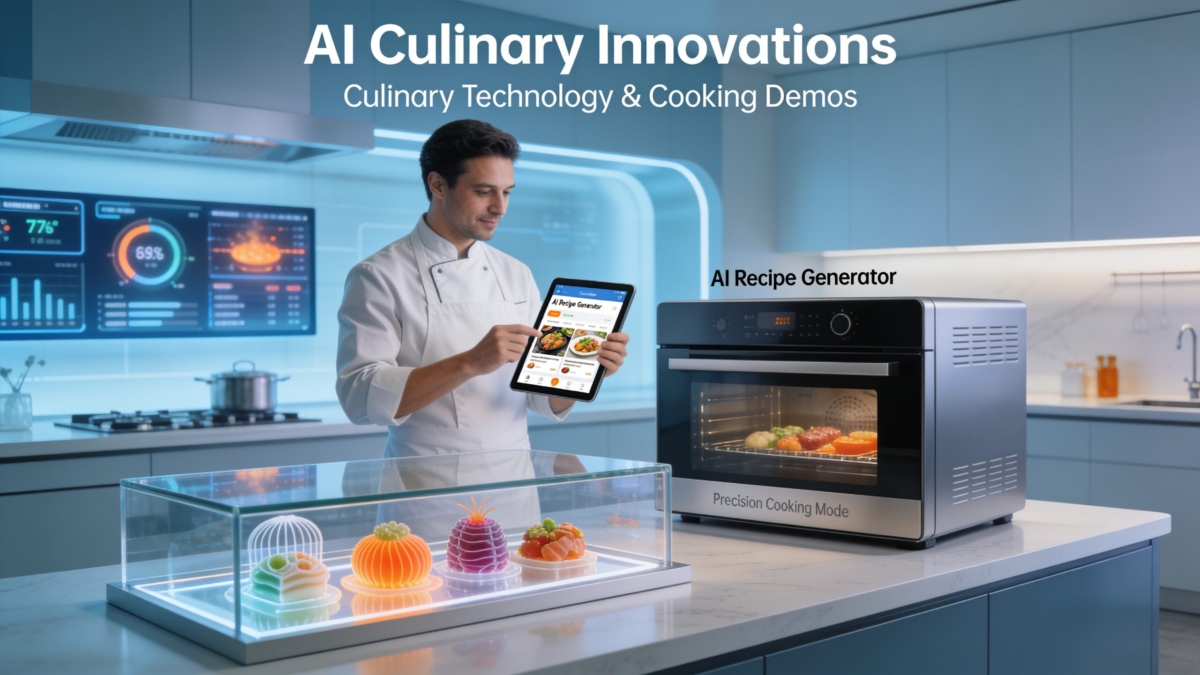
The culinary arts are rapidly evolving, with technology introducing unprecedented ways to engage audiences. Among the most transformative innovations is the emergence of AI applications designed to create cooking demos. These applications not only streamline the cooking process but also serve as powerful marketing tools for businesses in the food industry. In this article, we will navigate through the strategic significance, business models, and market opportunities presented by AI-driven cooking demo applications.
The Landscape of AI in Culinary Arts
AI technology has penetrated various industries, including food and beverages, reshaping the way culinary content is created and shared. From recipe generation to step-by-step guided video demos, AI can enhance user experience by providing personalized suggestions based on user preferences and dietary restrictions. Understanding the application of AI in this space requires a look at its core functions.
Core Functions of AI Cooking Demo Applications
Recipe Generation: AI algorithms can analyze ingredients to create unique recipes.
Interactive Cooking Assistance: Real-time guidance through tutorial videos tailored to user skill levels.
Ingredient Substitution: Suggesting alternatives based on availability or dietary restrictions.
Personalization: Using machine learning to adapt suggested dishes to user preferences and past behavior.
Social Integration: Offering users the ability to share their creations on various platforms.
Strategic Importance of AI Applications in Cooking Demos
Incorporating AI into cooking demos is not just about innovation; it is about strategic differentiation. Businesses leveraging AI can enhance their brand engagement and increase customer loyalty. A critical analysis using the SWOT framework reveals the competitive landscape.
SWOT Analysis of AI Cooking Demo Applications
Strengths
Weaknesses
Opportunities
Threats
Customizable user experience
High initial development costs
Growing demand for cooking content
Competition from traditional cooking platforms
Real-time feedback and assistance
Reliance on technology
Partnership with culinary brands
Technological obsolescence
SWOT Analysis of AI Cooking Demo Applications
Business Model Design for AI Cooking Applications
To effectively market AI cooking demo applications, developing a robust business model is crucial. The Business Model Canvas provides a structured approach for evaluating different dimensions of the business.
Key Components of the Business Model Canvas
Value Propositions: Unique features such as personalized menus and streamlined recipes.
Customer Segments: Target audiences including home chefs, culinary schools, and food brands.
Distribution Channels: Mobile apps, web platforms, and social media as sharing tools.
Revenue Streams: Subscription models, advertisement partnerships, and affiliate marketing.
Key Activities: Continuous content generation, user engagement analytics, and tech updates.
Key Resources: AI technology, culinary expertise, and a marketing team.
Market Analysis: Potential and Trends
The market for AI in culinary applications shows a promising upward trajectory. According to a study from Market Research Future, the global market size for AI in food analytics is expected to grow significantly, driven by increasing consumer interest in interactive and personalized dining experiences.
Analyzing Trends in Consumer Behavior
Increased Engagement: Consumers are seeking meaningful interactions with food brands.
Preference for Personalization: Catering to individual tastes and dietary requirements is becoming priority.
Adoption of E-learning: A shift towards virtual cooking classes and tutorials.
Healthy Eating Trends: Increasing demand for nutritious and convenient meal solutions.
Implementation Strategies for AI Cooking Apps
Implementing AI cooking applications requires a strategic approach that encompasses market research, technological deployment, and marketing strategies.
Steps for Successful Implementation
Market Research: Conduct consumer surveys to identify preferences and pain points.
Technology Partnership: Collaborate with AI developers to ensure technical feasibility.
Prototype Development: Create a minimum viable product (MVP) to gather user feedback.
Marketing Strategy: Leverage social media influencers to reach broader audiences.
Measuring Success with KPIs
Key Performance Indicators (KPIs) will be crucial to assess the effectiveness of AI applications. Metrics may include user engagement rates, subscription growth, and customer satisfaction surveys.
Essential KPIs to Track
Active Users: The number of users engaging with the application on a monthly basis.
Customer Retention Rate: The percentage of users returning over time.
Average Revenue Per User (ARPU): Insights into user spending behavior.
User Feedback Scores: Regular surveys to gauge satisfaction.
Concluding Thoughts and Future Outlook
AI applications for cooking demos represent a confluence of technology and culinary creativity. As businesses increasingly adopt these innovations, they will need to remain adaptive and responsive to consumer needs and competitive dynamics. By investing in AI-driven cooking applications, business leaders can not only enhance their operational efficiencies but also significantly broaden customer engagement and drive profitability.
Embracing AI in cooking demos isn’t just optional—it’s a strategic imperative for future growth.


Add a Comment